CVE CVE-2026-98432: Remote Root via a Race in the Linux TCP Stack A critical use-after-free race condition in the Linux kernel's IPv4 TCP stack, CVE-2026-98432, allows unauthenticated remote attackers to execute code as root on servers with MPTCP listeners. The vulnerability affects kernels since 4.4 and is amplified by Go 1.24+'s default MPTCP enablement.
Security CVE-2026-123158 (*sshole): How a 257-Byte Password Opens Root Access on Alpine Linux CVE-2026-123158 (*sshole) is a high-severity authentication bypass in OpenSSH affecting musl-based Linux systems. A password longer than 256 bytes triggers a musl crypt() error that collides with the shadow sentinel value, granting unauthenticated root access.
Security Brotli2Shell: Anatomy of a Critical Compression Library Vulnerability (CVE-2026-111497) A critical out-of-bounds write in Google's Brotli decoder enables remote code execution. Covers root cause, affected software across Node.js, Python, .NET, Envoy, and Istio, and practical detection and remediation strategies.
service-principal From Service Accounts to Service Principals: A Zero-Trust Identity Migration for the Cloud-Native Enterprise Enterprises relying on service accounts for machine identity face growing security, governance, and operational risks. This article explains why service principals and GitHub Apps represent the zero-trust evolution — particularly in AWS environments with Entra SSO and GitHub-sourced infrastructure.
identity Centralised, Decentralised & Federated Identity: A Definitive Architecture Comparison A deep-dive into the three dominant identity paradigms — centralised, federated, and decentralised — examining their architectures, trade-offs, real-world implementations, and where the industry is heading.
OPA Policy-as-Code in Practice: From Theory to Implementation with OPA and Rego A production-grade guide to Open Policy Agent and Rego — writing, testing, and enforcing consistent policies across Kubernetes admission control, CI/CD pipelines, and Terraform infrastructure.
Entra ID Microsoft Entra ID Patch – What You Need to Know A maximum-severity CVE in Microsoft Entra ID allowed remote code execution and privilege escalation without authentication. Here's what the patch fixed, why it matters, and what organisations should verify.
post-quantum Post-Quantum Cryptography: The Encryption Revolution We Need Exploring the urgent need for post-quantum cryptography as quantum computing threatens to break current encryption methods, with practical steps for upgrading security standards.
SCIM SCIM-Based User Provisioning: Automating Identity Lifecycle at Scale How SCIM 2.0 (RFC 7642–7644) automates the joiner-mover-leaver identity lifecycle between an identity provider and cloud applications — with a practical checklist for teams adopting it.
Security New Passkey Attacks Expose Private Keys and Bypass Phishing-Resistant MFA Without Breaking Encryption Palo Alto Networks' Unit 42 found three Pass-ta-key attacks targeting Google's passkey implementation. The techniques can expose synced private keys and bypass phishing-resistant multi-factor authentication without breaking FIDO2 encryption.
Security How Passkey Attacks Can Bypass Your Security, Even When It's Supposed to Be "Phishing-Resistant" Exploring recent research on passkey attacks that can bypass phishing-resistant multi-factor authentication by recovering synced private keys and exploiting cloud-synced implementations.
SAML SAML 2.0 Deep Dive: Understanding the Mechanism Behind Single Sign-On A comprehensive exploration of SAML 2.0 protocol mechanisms, including the authentication flow, security features, and technical implementation details that make single sign-on possible.
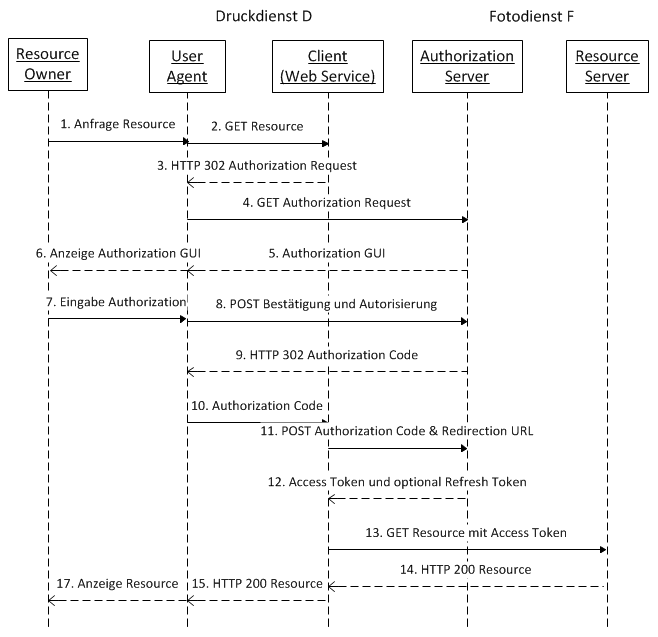
OAuth Understanding OAuth Methods: When to Use Each Authentication Flow A comprehensive guide to OAuth 2.0 flows, their use cases, security implications, and when to choose each method in your applications.