Understanding OAuth Methods: When to Use Each Authentication Flow
A comprehensive guide to OAuth 2.0 flows, their use cases, security implications, and when to choose each method in your applications.
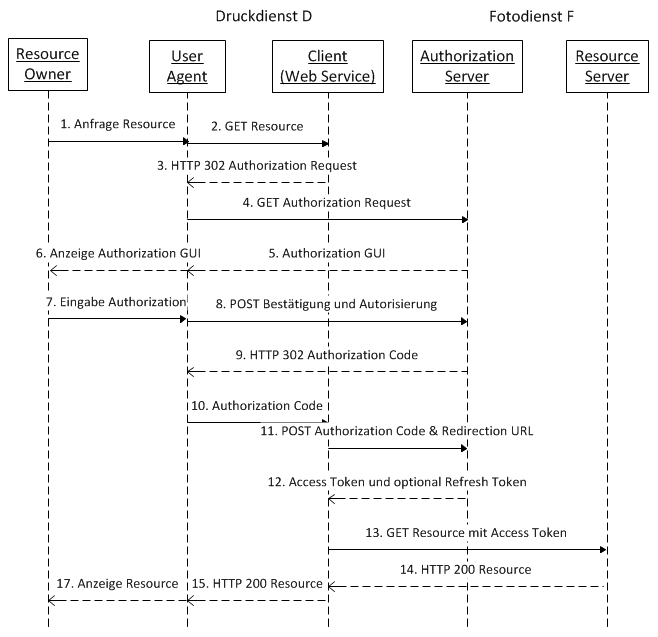

Introduction to OAuth 2.0 Authentication Flows
OAuth 2.0 has become the de facto standard for authorization in modern web applications. Understanding the different OAuth flows is crucial for implementing secure authentication and authorization systems. Each flow serves specific use cases, and choosing the right one depends on your application type, security requirements, and user experience considerations.
The Evolution of OAuth
OAuth evolved from OAuth 1.0 to OAuth 2.0 to address many of the complexities and security concerns of its predecessor. OAuth 2.0 introduced a more flexible framework with multiple grant types that can be used for different scenarios.
Core OAuth 2.0 Grant Types
Authorization Code Flow (Most Common)
The Authorization Code flow is the most widely used and recommended approach for web applications. It provides enhanced security by using a temporary authorization code before exchanging it for an access token.
When to Use:
- Web server applications with backend services
- Applications requiring refresh tokens
- Scenarios where tokens are not exposed to users
Security Features:
- Tokens never pass through the user's browser
- Protection against authorization code interception attacks
- Supports PKCE (Proof Key for Code Exchange) for mobile apps
Implicit Flow (Deprecated)
The Implicit flow was designed for client-side applications but has been deprecated due to significant security vulnerabilities. It directly returns access tokens to the client, making them vulnerable to exposure.
Why It's Deprecated:
- Tokens are exposed in URLs
- No refresh token support
- Vulnerable to XSS attacks
- No protection against authorization code interception
Resource Owner Password Credentials Flow
This flow allows applications to directly use user credentials for authentication. While simple to implement, it requires careful handling of sensitive information.
When to Use:
- Legacy systems with existing username/password databases
- When you control both the client and resource server
- Applications where user experience requires direct credential entry
Security Considerations:
- Requires strict HTTPS enforcement
- Must never store user credentials
- Limited to trusted applications only
Client Credentials Flow
The Client Credentials flow is used for machine-to-machine authentication, where applications access resources without user interaction.
When to Use:
- Backend services accessing APIs
- Automated processes
- Service-to-service communication
Security Features:
- No user context involved
- Tokens issued directly to clients
- Suitable for unattended operations
Modern OAuth Best Practices
PKCE Implementation
PKCE (Proof Key for Code Exchange) is a security extension that strengthens the Authorization Code flow, especially for mobile and single-page applications.
Benefits:
- Prevents authorization code interception attacks
- Protects against token leakage in public clients
- Required for mobile app implementations
Token Management
Effective token management is crucial for secure OAuth implementation:
Access Token Handling:
- Short expiration times (15-30 minutes)
- Secure storage mechanisms
- Regular rotation
Refresh Token Management:
- Long-lived but securely stored
- Revocation capability
- Usage tracking for security monitoring
When to Choose Each Flow
Web Applications with Backend Services
Recommended Flow: Authorization Code Flow with PKCE
- Provides the highest security level
- Supports refresh tokens
- Suitable for modern web frameworks
Mobile Applications
Recommended Flow: Authorization Code Flow with PKCE
- Enhanced security compared to Implicit flow
- Direct support for mobile-specific requirements
- Token handling suitable for mobile environments
Single-Page Applications (SPAs)
Recommended Approach: Authorization Code Flow with PKCE
- Avoids exposing tokens in URLs
- Better security posture than Implicit flow
- Compatible with modern frontend frameworks
Backend Services and APIs
Recommended Flow: Client Credentials Flow
- Machine-to-machine communication
- No user interaction required
- Appropriate for service-level authentication
Security Considerations
Common Vulnerabilities
- Insecure Token Storage
- Tokens should never be stored in localStorage or cookies without proper security measures
- Use HTTP-only, secure cookies for web applications
- Improper Redirect URIs
- Always validate redirect URIs against a whitelist
- Prevent open redirect vulnerabilities
- Insufficient Token Expiration
- Implement short-lived access tokens
- Provide refresh token rotation mechanisms
Implementation Best Practices
- Always Use HTTPS
- OAuth communications must be encrypted end-to-end
- No exceptions for production environments
- Implement Proper Error Handling
- Avoid exposing sensitive information in error responses
- Follow OAuth 2.0 specification for error formats
- Monitor and Log Activities
- Track token usage patterns
- Monitor for suspicious activities
Future Trends in OAuth
OAuth 2.1 Standardization
OAuth 2.1 aims to address many of the security concerns in OAuth 2.0 by standardizing the use of PKCE and removing deprecated flows.
OpenID Connect Integration
OpenID Connect builds upon OAuth 2.0 to provide authentication capabilities, making it easier to implement identity management solutions.
Conclusion
Choosing the right OAuth flow depends on your application's architecture, security requirements, and user experience needs. While some flows have been deprecated due to security concerns, others remain essential for specific use cases. The key is understanding each flow's purpose and implementing it correctly with proper security measures.
By following these guidelines and staying informed about OAuth developments, you can implement robust authentication systems that protect both your applications and your users' data.
Feature image: Guenter.kolb / CC BY-SA 4.0 / Wikimedia Commons.
