SailPoint vs Saviynt: A Comprehensive Comparison of Identity Governance Platforms
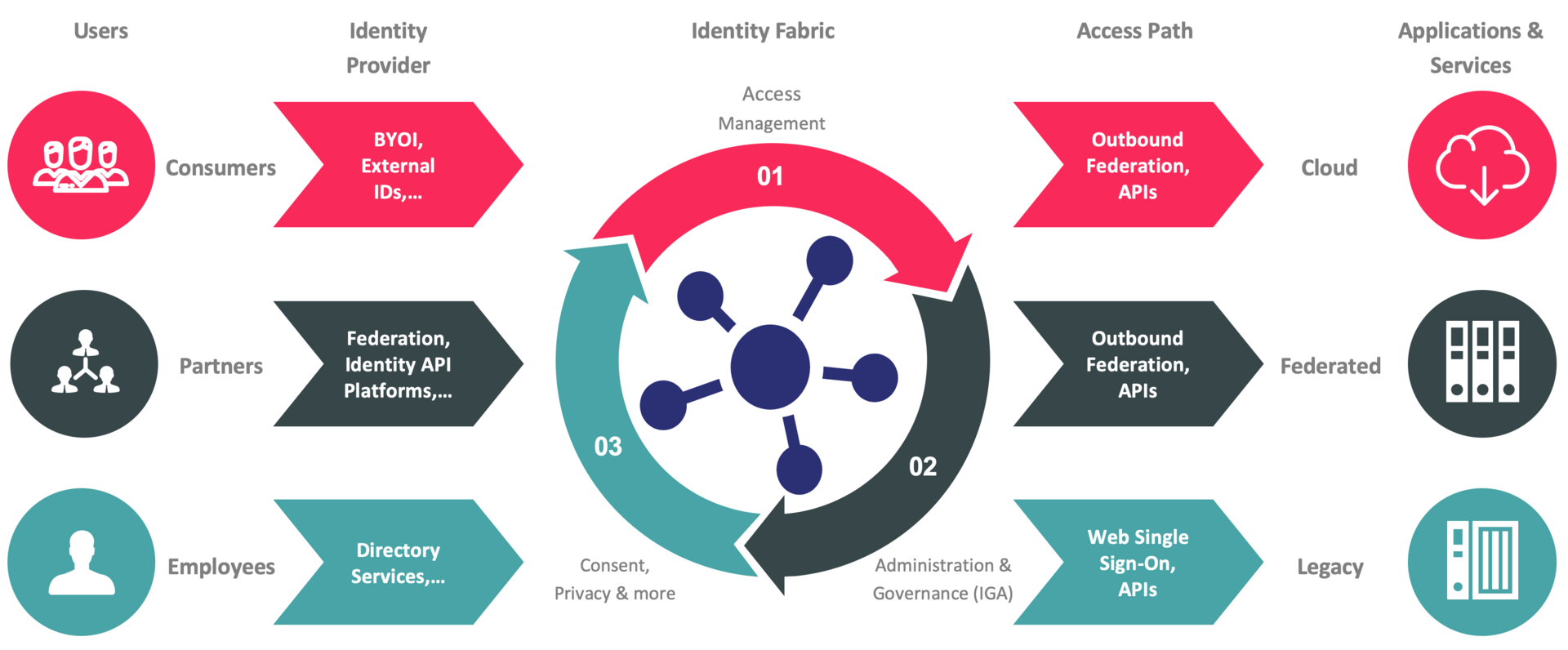

In the rapidly evolving landscape of identity governance and administration (IGA), two platforms have emerged as prominent players: SailPoint and Saviynt. Both offer robust solutions for managing digital identities, but they approach identity governance from different angles with distinct strengths and capabilities.
Overview of SailPoint
Company Background
SailPoint is a leading provider of identity governance and administration software. Founded in 2006, the company has grown to become one of the largest vendors in the IGA space, serving organizations across various industries including finance, healthcare, and government sectors.
Core Offerings
- Identity Governance Platform
- Risk Management Solutions
- Access Governance
- Identity Intelligence
- Cloud Identity Management
Overview of Saviynt
Company Background
Saviynt is a relatively newer player in the IGA space, founded in 2014. The company has positioned itself as a modern, cloud-native platform that leverages artificial intelligence and machine learning to deliver comprehensive identity governance solutions.
Core Offerings
- Identity Governance Platform
- Access Management
- Risk Analytics
- Machine Learning-based Access Recommendations
- Cloud Security
Key Differences
Architecture and Deployment Model
SailPoint:
- Primarily offers on-premises and hybrid deployment options
- Has a strong focus on enterprise-grade security and compliance
- Provides extensive customization capabilities for large organizations
Saviynt:
- Built as a cloud-native platform from the ground up
- Emphasizes modern architecture with AI-driven insights
- Offers faster deployment times and scalability
Approach to Identity Governance
SailPoint:
- Traditional approach focusing on access certification, role management, and compliance reporting
- Strong emphasis on regulatory compliance (SOX, GDPR, HIPAA)
- Well-established workflows and processes for identity governance
Saviynt:
- Modern approach integrating AI and machine learning for access recommendations
- Emphasis on continuous monitoring and adaptive security
- Focus on reducing manual overhead through automation
Feature Set and Capabilities
SailPoint:
- Comprehensive identity governance suite
- Strong integration capabilities with existing enterprise systems
- Mature risk management features
- Extensive reporting and analytics
Saviynt:
- AI-powered access recommendations
- Real-time risk assessment
- Advanced analytics for behavioral insights
- More streamlined user experience
Similarities
Core Functionality
Both platforms share fundamental identity governance capabilities:
- Access certification workflows
- Role management systems
- Compliance reporting and auditing
- Integration with identity sources (LDAP, Active Directory, etc.)
Security Focus
Both vendors emphasize security as a core principle:
- Zero-trust architecture principles
- Identity verification and authentication
- Risk-based access controls
- Data protection and privacy compliance
Cloud Capabilities
While SailPoint has been transitioning to cloud solutions, both platforms now offer cloud-native capabilities:
- Multi-cloud support
- Scalable architectures
- API-first approaches
- Modern user interfaces
Evolution Over the Past 5 Years
SailPoint's Evolution (2019-2024)
Early 2010s:
- Established as a dominant player in identity governance
- Focused primarily on access certification and role management
- Strong enterprise customer base
Mid-2010s to 2020:
- Expanded into cloud and hybrid solutions
- Enhanced integration capabilities with other security platforms
- Strengthened compliance and audit features
Recent Developments (2020-2024):
- Deepened AI and machine learning integrations
- Enhanced automation capabilities
- Improved user experience and modernization of interfaces
- Expansion into new security domains (cloud identity, API security)
Saviynt's Evolution (2019-2024)
Early 2010s:
- Founded with a focus on cloud-native solutions
- Emphasized AI-driven access management
- Targeted modern enterprises and digital-first organizations
Mid-2010s to 2020:
- Established itself as a disruptive force in IGA
- Built strong AI and machine learning capabilities
- Focused on reducing manual effort and increasing efficiency
Recent Developments (2020-2024):
- Enhanced platform maturity and feature set
- Expanded into additional security domains
- Strengthened integration capabilities with enterprise ecosystems
- Improved scalability for large organizations
Platform Comparison Matrix
| Feature | SailPoint | Saviynt |
|---|---|---|
| Deployment | On-premises, Hybrid, Cloud | Cloud-native |
| AI/ML Integration | Moderate | Advanced |
| User Experience | Traditional | Modern |
| Integration Capabilities | Extensive | Growing |
| Compliance Focus | High | High |
| Scalability | Strong | Strong |
| Customization | High | Moderate |
Use Cases and Target Markets
SailPoint
Ideal for:
- Large enterprises with complex compliance requirements
- Organizations in regulated industries (finance, healthcare, government)
- Companies requiring extensive customization options
- Enterprises with significant existing identity infrastructure
Saviynt
Ideal for:
- Modern enterprises seeking cloud-native solutions
- Organizations prioritizing AI-driven insights
- Companies looking to reduce manual governance overhead
- Startups and growing organizations with agility needs
Implementation Considerations
Complexity Factors
SailPoint:
- May require more extensive configuration and customization
- Longer implementation timelines for complex deployments
- Strong support for legacy system integration
Saviynt:
- Faster deployment times due to modern architecture
- Simpler onboarding process
- Built-in automation capabilities reduce manual work
Cost Considerations
Both platforms offer tiered pricing based on organization size and feature requirements:
- SailPoint: Often higher upfront costs, extensive feature sets
- Saviynt: Generally more streamlined pricing models with cloud-native benefits
Future Outlook
Market Trends
Both platforms are adapting to emerging trends in identity management:
- Zero-trust security models
- Cloud-first approaches
- AI and machine learning integration for risk assessment
- API security and cloud identity management
Competitive Landscape
The IGA market continues to evolve with new entrants and evolving requirements:
- Increased focus on automation and intelligence
- Greater emphasis on user experience and accessibility
- Growing importance of compliance in the digital transformation era
Conclusion
SailPoint and Saviynt represent two distinct approaches to identity governance in the modern enterprise landscape. SailPoint offers a mature, comprehensive platform with extensive customization capabilities and strong compliance focus, while Saviynt brings a modern, AI-driven approach that emphasizes automation and user experience.
The choice between these platforms ultimately depends on your organization's specific needs, infrastructure maturity, compliance requirements, and strategic direction. Both are capable solutions that can effectively address identity governance challenges in today's complex digital environments.
As the identity management landscape continues to evolve, both companies are positioning themselves to meet emerging challenges through continued innovation in AI, cloud architecture, and security capabilities.
Feature image: Marius.godd / CC BY-SA 4.0 / Wikimedia Commons.
