Policy as Code for Conditional Access: Best Practices for Mature Organizations
How mature organisations can manage conditional access policies effectively using policy-as-code practices, including implementation strategies, governance patterns, and real-world examples.
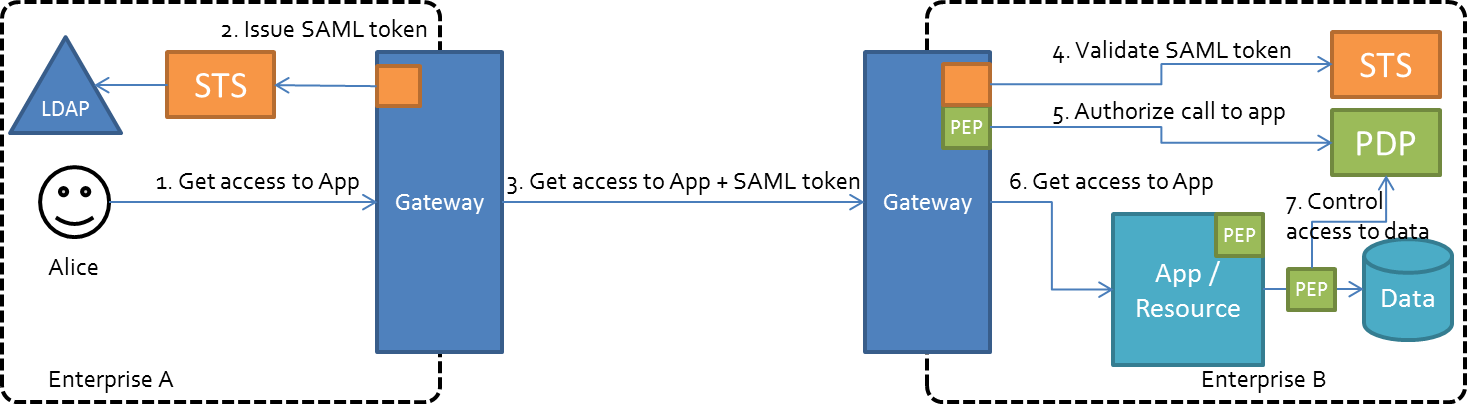

Policy as Code applies software engineering principles to security policy management, bringing version control, automated testing, and CI/CD pipelines to conditional access policies for greater consistency, compliance, and agility.
What is Policy as Code and why do conditional access policies need it?
Policy as Code manages conditional access policies using software engineering practices — version control in git, automated testing before deployment, peer review, CI/CD pipelines, and immutable infrastructure to ensure consistent, auditable security controls.
Sources: Microsoft Conditional Access Documentation · NIST Identity and Access Management Guide
In today's complex security landscape, mature organisations are increasingly recognising that traditional approaches to identity and access management are insufficient. The shift toward Policy as Code represents a fundamental evolution in how enterprises manage their security policies, particularly when it comes to conditional access controls.
The Evolution from Traditional Access Management
Traditional identity and access management has typically relied on:
- Manual configuration through GUI interfaces
- Point-in-time policy creation and modification
- Limited audit trails and version control
- Risk of human error in policy deployment
- Difficulties in maintaining consistency across environments
As organisations grow, these approaches become unsustainable. A single misconfigured conditional access policy can either lock out legitimate users or create security gaps that attackers exploit.
What Is Policy as Code?
Policy as Code applies software engineering principles to security policy management:
- Version control: Every policy change is tracked in git with full history
- Automated testing: Policies are validated against test scenarios before deployment
- Code review: Changes require peer review, just like application code
- CI/CD pipelines: Policy changes flow through the same deployment pipeline as application code
- Immutable infrastructure: Once deployed, policies cannot be changed manually
Why Conditional Access Policies Need Policy as Code
Conditional access policies sit at the intersection of security and usability. They determine who can access what resources, from where, under which conditions. A single policy can affect thousands of users.
Key challenges that Policy as Code addresses:
- Complexity: Modern conditional access policies involve dozens of conditions — user groups, device compliance, risk levels, locations, applications, and more
- Consistency: Ensuring policies are applied uniformly across all environments
- Compliance: Demonstrating policy changes to auditors with full traceability
- Rollback capability: Quickly reverting problematic policy changes
- Collaboration: Enabling multiple teams to contribute to policy management safely
Best Practices for Mature Organisations
1. Infrastructure as Code Integration
Treat conditional access policies as part of your infrastructure codebase. Store them in the same repository as your Terraform, ARM templates, or other IaC files. This ensures:
- Policies are deployed alongside the infrastructure they protect
- Changes to infrastructure and access policies are coordinated
- The entire stack can be provisioned from a single source of truth
2. Policy Composition and Reusability
Build reusable policy components:
- Base policies: Standard security requirements applicable to all users
- Role-specific policies: Additional conditions for privileged roles
- Context-aware policies: Conditions based on risk signals, location, or device state
- Exception policies: Carefully scoped exceptions with time limits and approvals
This composition approach reduces duplication and makes policy management scalable.
3. Change Management and Approval Processes
Implement structured change management:
- All policy changes require pull requests
- Automated validation checks run on every PR
- Security team review for privileged access changes
- Staged deployment: test → staging → production
- Automatic rollback on detected issues
4. Automated Testing and Validation
Test policies before they reach production:
- Policy simulation: Test how policies affect different user groups without actually enforcing them
- Impact analysis: Understand which users and applications are affected by a change
- Regression testing: Verify that new policies don't break existing access patterns
- Compliance checks: Ensure policies meet regulatory requirements
5. Compliance and Governance Integration
Integrate policy management with your governance framework:
- Automated compliance reporting
- Policy drift detection (manual changes outside the pipeline)
- Regular policy reviews and certifications
- Audit trail integration with SIEM systems
Real-World Implementation Examples
Example 1: Zero Trust Architecture
A mature organisation implements a zero trust conditional access strategy using Policy as Code:
- Baseline policy: MFA required for all cloud applications
- Risk-based policy: Additional verification for high-risk sign-ins
- Device compliance: Only compliant devices can access sensitive resources
- Location-based policy: Restricted access from untrusted networks
- Time-based policy: Privileged access only during business hours
All policies are version-controlled, tested in staging environments, and deployed through automated pipelines.
Example 2: Regulatory Compliance
A healthcare organisation manages HIPAA-compliant conditional access policies:
- Policies are stored in a dedicated compliance repository
- Automated tests verify that all required safeguards are in place
- Regular policy reviews generate compliance reports automatically
- Policy changes trigger audit notifications
The Governance Challenge
Policy as Code introduces a new governance challenge: who owns the policy codebase? Best practices suggest:
- Central policy team: Owns the core policy framework and templates
- Domain teams: Contribute role-specific policies within their scope
- Security team: Reviews all changes for security implications
- Audit team: Has read-only access to the policy repository for compliance verification
This distributed ownership model balances speed with control.
Tools and Platforms
Several tools support Policy as Code for conditional access:
- Microsoft Graph API: Programmatic management of conditional access policies
- PowerShell modules: Automation scripts for policy deployment
- Terraform providers: Infrastructure-as-code management of identity policies
- Custom policy engines: Organisations build custom validation and testing tools
Measuring Success
Key metrics for Policy as Code maturity:
- Deployment frequency: How often are policy changes deployed?
- Change failure rate: What percentage of changes require rollback?
- Mean time to recovery: How quickly are issues resolved?
- Policy coverage: What percentage of access controls are managed as code?
- Compliance score: How well do policies meet regulatory requirements?
Getting Started
Transitioning to Policy as Code for conditional access:
- Start with a pilot: Choose one application or user group
- Build the toolchain: Set up version control, testing, and deployment pipelines
- Create templates: Develop reusable policy components
- Train teams: Ensure all contributors understand both security and engineering practices
- Expand gradually: Roll out to more applications and user groups
- Measure and improve: Track metrics and refine the process
Conclusion
Policy as Code for conditional access represents a maturation of identity and access management practices. By applying software engineering principles to security policy, organisations can achieve greater consistency, compliance, and agility in their access controls.
The journey from manual policy management to Policy as Code requires investment in tooling, training, and process changes. However, the benefits — reduced risk, improved compliance, faster response to threats, and better collaboration between security and engineering teams — make it a worthwhile investment for any mature organisation.
As conditional access policies become more complex and the threat landscape evolves, Policy as Code provides the foundation for managing them at scale with confidence.
Sources: Microsoft Conditional Access Documentation, NIST Identity and Access Management Guide, Gartner Policy as Code Research
Feature image: David.brossard / CC BY-SA 4.0 / Wikimedia Commons.
