OAuth vs SAML: A Comprehensive Guide to Identity and Access Management
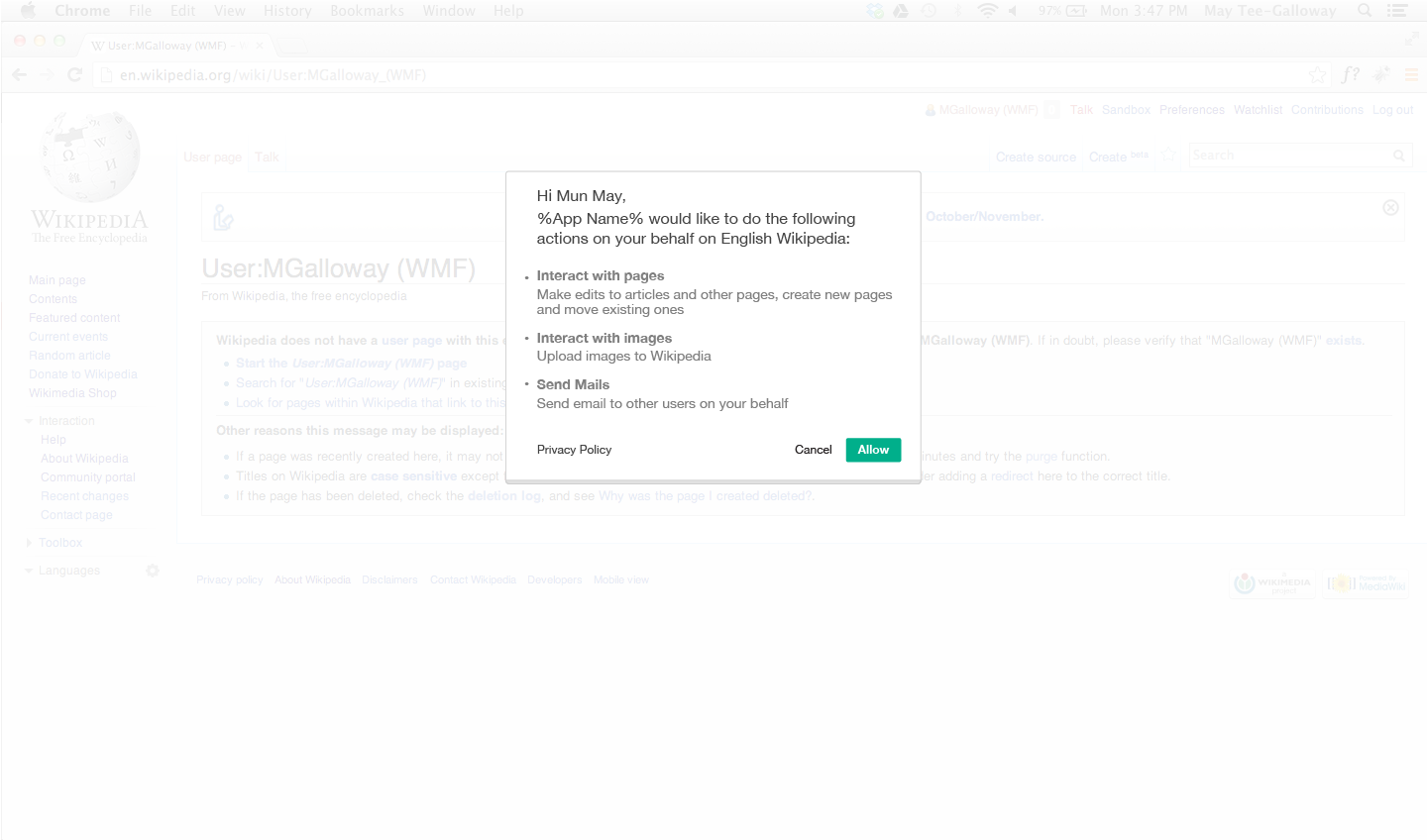

In the world of identity and access management, two protocols dominate the landscape: OAuth and SAML. While both are essential for securing digital identities, they serve different purposes and operate under distinct principles.
Understanding OAuth
What is OAuth?
OAuth (Open Authorization) is an open standard for access delegation, commonly used to enable applications to obtain limited access to user accounts on an HTTP service. It's primarily designed for authorization rather than authentication.
Key Characteristics of OAuth
- Authorization-focused: OAuth is specifically built for granting access to resources without sharing credentials.
- Resource Server-centric: It defines how third-party applications can obtain limited access to HTTP services on behalf of a resource owner.
- Token-based: Uses access tokens and refresh tokens to grant access.
Common OAuth Flows
- Authorization Code Flow - Most secure for web applications
- Implicit Flow - Used primarily by JavaScript applications
- Resource Owner Password Credentials Flow - Less secure, but sometimes necessary
- Client Credentials Flow - For application-to-application authentication
Understanding SAML
What is SAML?
Security Assertion Markup Language (SAML) is an XML-based framework for exchanging authentication and authorization data between parties, particularly between an identity provider (IdP) and a service provider (SP).
Key Characteristics of SAML
- Authentication-focused: SAML primarily deals with authentication – verifying who the user is.
- XML-based: Uses XML for encoding assertions and messages.
- Single Sign-On (SSO) oriented: Designed to allow users to access multiple applications with one set of credentials.
How SAML Works
- User attempts to access a service provider
- Service provider redirects user to identity provider
- Identity provider authenticates the user and sends an assertion back
- Assertion is validated by the service provider, granting access
Key Differences
| Aspect | OAuth | SAML |
|---|---|---|
| Primary Purpose | Authorization | Authentication |
| Data Format | JSON Web Tokens (JWT) | XML Assertions |
| Use Case | Resource access delegation | Single Sign-On |
| Security Model | Token-based | Assertion-based |
| Complexity | Relatively simple | More complex due to XML |
When to Use OAuth
OAuth is ideal for scenarios involving:
- Mobile and web applications
- Third-party API access
- Resource server protection
- Modern microservices architectures
When to Use SAML
SAML is the better choice when:
- Implementing Single Sign-On (SSO)
- Integrating with enterprise systems
- Needing robust authentication
- Working in regulated environments requiring strong identity verification
Practical Implementation Considerations
OAuth 2.0 vs OpenID Connect
While OAuth 2.0 is an authorization framework, it's often used alongside OpenID Connect, which adds an authentication layer on top of OAuth 2.0.
OpenID Connect provides:
- A simple identity layer built on top of OAuth 2.0
- Standardized user information exchange
- Better integration with modern web applications
Common Integration Patterns
OAuth Integration
- Authorization Server: Centralized service managing tokens
- Resource Server: Protects APIs or resources
- Client Application: Requests access on behalf of users
SAML Integration
- Identity Provider (IdP): Authenticates users
- Service Provider (SP): Application that relies on authentication
- Assertion Consumer Service: Receives and processes SAML assertions
Security Considerations
Both protocols have security considerations:
- OAuth: Token leakage, scope creep, insecure token storage
- SAML: XML signature validation, assertion replay attacks, certificate management
Choosing Between OAuth and SAML
Decision Framework
- Is SSO required? If yes, consider SAML.
- What type of access is needed? For authorization to resources, OAuth.
- Integration complexity? OAuth generally offers simpler implementation.
- Enterprise vs Consumer? SAML often preferred in enterprise environments.
Conclusion
OAuth and SAML serve complementary roles in the identity ecosystem. OAuth excels in modern application architecture and resource access management, while SAML remains the gold standard for enterprise authentication and single sign-on solutions.
The choice between them depends on your specific use case, architectural requirements, and integration environment. Many organizations leverage both protocols within their infrastructure to maximize security and usability.
Feature image: MGalloway (WMF) / CC BY-SA 3.0 / Wikimedia Commons.
