The Neuroscience of Dopamine Addiction: How Digital Stimulation Impacts Attention Span
Exploring the neuroscience behind dopamine addiction and its impact on attention spans, including research findings and practical strategies for managing digital stimulation.
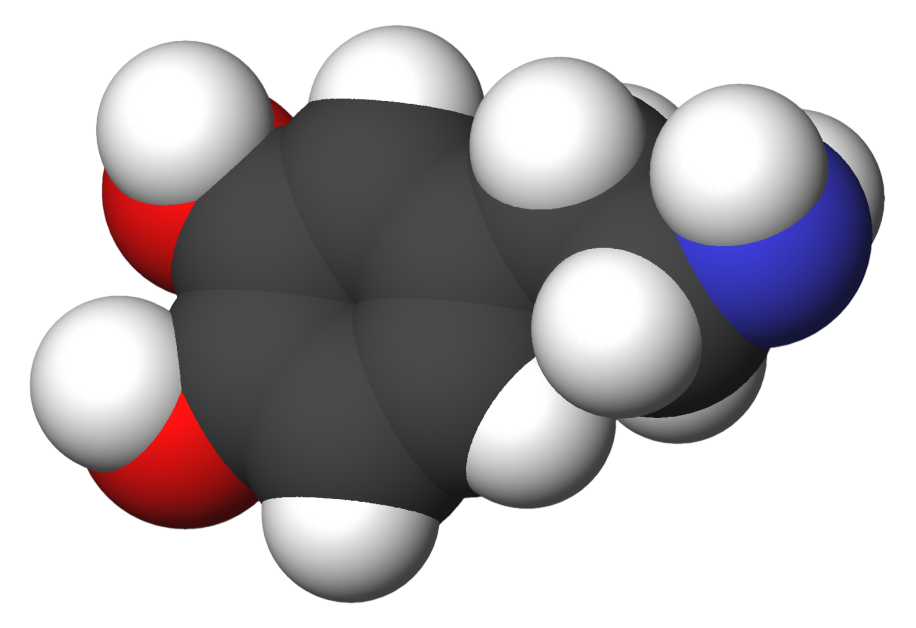

In our increasingly connected world, we're witnessing a silent epidemic affecting cognitive function and attention spans across all demographics. The relationship between dopamine addiction and attention is becoming more evident through neuroscientific research, revealing how digital stimulation is fundamentally altering the way our brains process information and maintain focus.
Understanding Dopamine's Role in Attention
Dopamine, often dubbed the "reward neurotransmitter," plays a crucial role in our brain's reward system. It's responsible for reinforcing behaviors that are beneficial to survival, such as eating, drinking, and social bonding. However, modern digital technologies have exploited this system in ways that can be detrimental.
Research published in PubMed indicates that dopamine significantly influences attentional processes. Studies on dopaminergic neurons show that alterations in the mesocorticolimbic component of the dopaminergic system result in cognitive deficits, particularly affecting attention. The neurotransmitter doesn't just drive us toward rewards—it also governs our ability to sustain focus on tasks that may not provide immediate gratification.
How Digital Addiction Hijacks the Dopamine System
Digital platforms are designed with sophisticated algorithms that exploit our brain's reward pathways. Every like, comment, or notification triggers a surge of dopamine, creating what researchers call the "dopamine cycle." This cycle operates on variable reinforcement schedules—unpredictable rewards that are more addictive than consistent ones.
The neuroscience behind this addiction reveals that digital stimulation can cause the brain to prioritize immediate gratification over sustained attention. Social media platforms, in particular, have been shown to create neural pathways similar to those activated by substance abuse, resulting in compulsive engagement behaviors that damage attention span and increase stress levels.
The Impact on Cognitive Function
Recent studies have documented significant correlations between digital addiction and cognitive function. A 2024 study found that social media addiction can undermine attention span and cognitive functioning, linking mental health issues, self-esteem problems, and attention-related cognitive disturbances in young adults. This research demonstrates that the effects aren't just behavioral—they're neurochemical.
The brain's reward system becomes increasingly desensitized to normal rewards as it adapts to constant digital stimulation. This adaptation leads to a phenomenon where individuals require increasingly intense stimuli to achieve the same level of dopamine release, resulting in shorter attention spans and reduced ability to focus on tasks that don't provide instant gratification.
The Attention Economy
The concept of the "attention economy" has gained traction in recent years, highlighting how attention is one of the most valuable commodities in the digital age. However, this economic model often works against our natural cognitive abilities.
Research indicates that the attention economy outlook calls for a better understanding of human attention dynamics. The interplay between neurophysiology, neuropsychology, and economic factors shows that attention isn't just a cognitive function—it's an economic resource that can be exploited.
Breaking the Cycle
Understanding these mechanisms is the first step toward breaking the cycle of dopamine addiction. The brain's reward system can be retrained through conscious effort and behavioral modifications. Some key approaches include:
- Creating digital detox periods to reset dopamine sensitivity
- Practicing mindful attention techniques
- Designing environments that minimize digital distractions during focused work
- Developing structured routines that reward sustained attention rather than immediate gratification
Conclusion
The relationship between dopamine addiction and attention span represents one of the most significant challenges facing modern society. As our digital lifestyles continue to evolve, so too must our understanding of their neurobiological impacts.
The research is clear: our brains are being rewired by constant digital stimulation in ways that compromise sustained attention and cognitive function. However, with awareness and intentional action, we can work toward restoring balance between our natural attention capabilities and our digital environment.
The key lies not in eliminating technology but in understanding how to use it mindfully, preserving our brain's capacity for deep focus and sustained attention—capabilities that remain essential for productivity, creativity, and overall cognitive health.
Feature image: Sbrools / CC BY-SA 3.0 / Wikimedia Commons.
